Post ID: 74162 | Post Type: article | Language: en | Modules: array (
0 =>
array (
'acf_fc_layout' => 'text',
'section_heading' => '',
'content' => '<p>Choosing the right flexible office is about more than finding somewhere to sit. The right workspace should support the way your team works today, while giving your business room to grow, adapt, and change.</p>
',
'text_size' => true,
'buttons' => false,
),
1 =>
array (
'acf_fc_layout' => 'text',
'section_heading' => '',
'content' => '<p>For some businesses, that means a private office for a growing team. For others, it means hot desks, coworking, meeting rooms, or access to different types of workspace as needed. The ideal flexible workspace simplifies your workday.</p>
<p>As more businesses move away from long-term leases, flexible office space has become a practical workspace solution. But with so many options available, it can be hard to know what to look for.</p>
',
'text_size' => false,
'buttons' => false,
),
2 =>
array (
'acf_fc_layout' => 'text',
'section_heading' => 'Start With How Your Team Works',
'content' => '<p>Before comparing locations or memberships, think about how your team uses a workspace. Do team members need to be on-site daily? Do you need space for focused work, client meetings, team collaboration, or all three?</p>
<p>A good flexible workspace should fit around your working patterns. Hybrid teams may need bookable meeting rooms and communal areas. Small businesses may prefer shared offices or a private office with room to scale. Freelancers and entrepreneurs may want hot desks and networking opportunities without the commitment of a full office.</p>
<p>Once you understand how your team works, it becomes easier to choose a space that supports the everyday rhythm of your business.</p>
',
'text_size' => false,
'buttons' => false,
),
3 =>
array (
'acf_fc_layout' => 'image',
'image' =>
array (
'ID' => 39029,
'id' => 39029,
'title' => 'Nurturing mental and physical wellbeing in the workspace 3',
'filename' => 'Nurturing-mental-and-physical-wellbeing-in-the-workspace-3.png',
'filesize' => 1074098,
'url' => 'https://work-clockwise.com/wp-content/uploads/2024/10/Nurturing-mental-and-physical-wellbeing-in-the-workspace-3.png',
'link' => 'https://work-clockwise.com/articles/nurturing-mental-and-physical-wellbeing-in-the-workspace/nurturing-mental-and-physical-wellbeing-in-the-workspace-3/',
'alt' => 'Nurturing mental and physical wellbeing in the workspace 3',
'author' => '12',
'description' => '',
'caption' => '',
'name' => 'nurturing-mental-and-physical-wellbeing-in-the-workspace-3',
'status' => 'inherit',
'uploaded_to' => 25490,
'date' => '2024-10-16 13:40:18',
'modified' => '2024-10-16 13:40:18',
'menu_order' => 0,
'mime_type' => 'image/png',
'type' => 'image',
'subtype' => 'png',
'icon' => 'https://work-clockwise.com/wp-includes/images/media/default.png',
'width' => 1500,
'height' => 700,
'sizes' =>
array (
'thumbnail' => 'https://work-clockwise.com/wp-content/uploads/2024/10/Nurturing-mental-and-physical-wellbeing-in-the-workspace-3-150x150.png',
'thumbnail-width' => 150,
'thumbnail-height' => 150,
'medium' => 'https://work-clockwise.com/wp-content/uploads/2024/10/Nurturing-mental-and-physical-wellbeing-in-the-workspace-3-300x140.png',
'medium-width' => 300,
'medium-height' => 140,
'medium_large' => 'https://work-clockwise.com/wp-content/uploads/2024/10/Nurturing-mental-and-physical-wellbeing-in-the-workspace-3-768x358.png',
'medium_large-width' => 640,
'medium_large-height' => 298,
'large' => 'https://work-clockwise.com/wp-content/uploads/2024/10/Nurturing-mental-and-physical-wellbeing-in-the-workspace-3-1024x478.png',
'large-width' => 640,
'large-height' => 299,
'1536x1536' => 'https://work-clockwise.com/wp-content/uploads/2024/10/Nurturing-mental-and-physical-wellbeing-in-the-workspace-3.png',
'1536x1536-width' => 1500,
'1536x1536-height' => 700,
'2048x2048' => 'https://work-clockwise.com/wp-content/uploads/2024/10/Nurturing-mental-and-physical-wellbeing-in-the-workspace-3.png',
'2048x2048-width' => 1500,
'2048x2048-height' => 700,
'thumb' => 'https://work-clockwise.com/wp-content/uploads/2024/10/Nurturing-mental-and-physical-wellbeing-in-the-workspace-3-256x119.png',
'thumb-width' => 150,
'thumb-height' => 70,
'cw_small' => 'https://work-clockwise.com/wp-content/uploads/2024/10/Nurturing-mental-and-physical-wellbeing-in-the-workspace-3-450x210.png',
'cw_small-width' => 450,
'cw_small-height' => 210,
'cw_600' => 'https://work-clockwise.com/wp-content/uploads/2024/10/Nurturing-mental-and-physical-wellbeing-in-the-workspace-3-600x280.png',
'cw_600-width' => 600,
'cw_600-height' => 280,
'cw_medium' => 'https://work-clockwise.com/wp-content/uploads/2024/10/Nurturing-mental-and-physical-wellbeing-in-the-workspace-3-800x373.png',
'cw_medium-width' => 800,
'cw_medium-height' => 373,
'big' => 'https://work-clockwise.com/wp-content/uploads/2024/10/Nurturing-mental-and-physical-wellbeing-in-the-workspace-3-1400x653.png',
'big-width' => 1400,
'big-height' => 653,
'hero' => 'https://work-clockwise.com/wp-content/uploads/2024/10/Nurturing-mental-and-physical-wellbeing-in-the-workspace-3.png',
'hero-width' => 1500,
'hero-height' => 700,
),
),
'mobile_image' => false,
'caption' => '',
),
4 =>
array (
'acf_fc_layout' => 'text',
'section_heading' => 'Choose a Location That Works Harder',
'content' => '<p>Location is one of the biggest factors when choosing flexible office space. The right address can make the working day easier for your team, more convenient for clients, and more appealing to new talent. Look at how easy the space is to reach by public transport, car, bike, or on foot. Consider nearby parking, stations, bus routes, and major roads. Cafés, restaurants, shops, gyms, hotels, and green spaces can all make a location more comfortable.</p>
<p>For businesses that host clients, partners, or interviews, location also shapes first impressions. A professional, well-placed workspace can help your business feel more established without the cost or commitment of a traditional office lease.</p>
<p><a href="https://work-clockwise.com/all-locations/">Explore Clockwise locations</a> to find a workspace that fits your team’s routine</p>
',
'text_size' => false,
'buttons' => false,
),
5 =>
array (
'acf_fc_layout' => 'text',
'section_heading' => 'Look Closely at What’s Included',
'content' => '<p>Not all office spaces include the same amenities, so check exactly what comes with your membership or office agreement. At a minimum, you will need reliable high-speed internet, comfortable work areas, and access to meeting rooms. Depending on your business, you may also need printing, private call areas, or secure storage. You may need a kitchen, showers, bike storage, event space, or on-site support.</p>
<p>This is where flexible spaces can offer real value. Many workspaces include utilities, cleaning, business rates, maintenance, furniture, and fit-out in one monthly fee. You do not need to manage these costs separately. Before you choose a space, ask what it includes, what costs extra, and whether the pricing seems clear.</p>
',
'text_size' => false,
'buttons' => false,
),
6 =>
array (
'acf_fc_layout' => 'image',
'image' =>
array (
'ID' => 39010,
'id' => 39010,
'title' => 'Beyond the Basics Coworking Amenities That Make a Difference',
'filename' => 'Beyond-the-Basics-Coworking-Amenities-That-Make-a-Difference-.png',
'filesize' => 621206,
'url' => 'https://work-clockwise.com/wp-content/uploads/2024/10/Beyond-the-Basics-Coworking-Amenities-That-Make-a-Difference-.png',
'link' => 'https://work-clockwise.com/articles/beyond-the-basics-coworking-amenities-that-make-a-difference/beyond-the-basics-coworking-amenities-that-make-a-difference-3/',
'alt' => 'Beyond the Basics Coworking Amenities That Make a Difference',
'author' => '12',
'description' => '',
'caption' => '',
'name' => 'beyond-the-basics-coworking-amenities-that-make-a-difference-3',
'status' => 'inherit',
'uploaded_to' => 39001,
'date' => '2024-10-16 13:27:31',
'modified' => '2024-10-16 13:27:31',
'menu_order' => 0,
'mime_type' => 'image/png',
'type' => 'image',
'subtype' => 'png',
'icon' => 'https://work-clockwise.com/wp-includes/images/media/default.png',
'width' => 900,
'height' => 600,
'sizes' =>
array (
'thumbnail' => 'https://work-clockwise.com/wp-content/uploads/2024/10/Beyond-the-Basics-Coworking-Amenities-That-Make-a-Difference--150x150.png',
'thumbnail-width' => 150,
'thumbnail-height' => 150,
'medium' => 'https://work-clockwise.com/wp-content/uploads/2024/10/Beyond-the-Basics-Coworking-Amenities-That-Make-a-Difference--300x200.png',
'medium-width' => 300,
'medium-height' => 200,
'medium_large' => 'https://work-clockwise.com/wp-content/uploads/2024/10/Beyond-the-Basics-Coworking-Amenities-That-Make-a-Difference--768x512.png',
'medium_large-width' => 640,
'medium_large-height' => 427,
'large' => 'https://work-clockwise.com/wp-content/uploads/2024/10/Beyond-the-Basics-Coworking-Amenities-That-Make-a-Difference-.png',
'large-width' => 640,
'large-height' => 427,
'1536x1536' => 'https://work-clockwise.com/wp-content/uploads/2024/10/Beyond-the-Basics-Coworking-Amenities-That-Make-a-Difference-.png',
'1536x1536-width' => 900,
'1536x1536-height' => 600,
'2048x2048' => 'https://work-clockwise.com/wp-content/uploads/2024/10/Beyond-the-Basics-Coworking-Amenities-That-Make-a-Difference-.png',
'2048x2048-width' => 900,
'2048x2048-height' => 600,
'thumb' => 'https://work-clockwise.com/wp-content/uploads/2024/10/Beyond-the-Basics-Coworking-Amenities-That-Make-a-Difference--256x171.png',
'thumb-width' => 150,
'thumb-height' => 100,
'cw_small' => 'https://work-clockwise.com/wp-content/uploads/2024/10/Beyond-the-Basics-Coworking-Amenities-That-Make-a-Difference--450x300.png',
'cw_small-width' => 450,
'cw_small-height' => 300,
'cw_600' => 'https://work-clockwise.com/wp-content/uploads/2024/10/Beyond-the-Basics-Coworking-Amenities-That-Make-a-Difference--600x400.png',
'cw_600-width' => 600,
'cw_600-height' => 400,
'cw_medium' => 'https://work-clockwise.com/wp-content/uploads/2024/10/Beyond-the-Basics-Coworking-Amenities-That-Make-a-Difference--800x533.png',
'cw_medium-width' => 800,
'cw_medium-height' => 533,
'big' => 'https://work-clockwise.com/wp-content/uploads/2024/10/Beyond-the-Basics-Coworking-Amenities-That-Make-a-Difference-.png',
'big-width' => 900,
'big-height' => 600,
'hero' => 'https://work-clockwise.com/wp-content/uploads/2024/10/Beyond-the-Basics-Coworking-Amenities-That-Make-a-Difference-.png',
'hero-width' => 900,
'hero-height' => 600,
),
),
'mobile_image' => false,
'caption' => '',
),
7 =>
array (
'acf_fc_layout' => 'text',
'section_heading' => 'Meetings, Focus, and Collaboration',
'content' => '<p>A strong workspace supports different types of work. Some days call for quiet concentration. Others need team catch-ups, client presentations, video calls, workshops, or training sessions. <a href="https://work-clockwise.com/membership-plans/private-office/">Private offices</a> are useful for teams that need a dedicated base. <a href="https://work-clockwise.com/membership-plans/club-lounge/">Coworking spaces and lounges</a> offer a more open, social setting. <a href="https://work-clockwise.com/meeting-rooms-events/">Meeting rooms</a> are essential for presentations, interviews, workshops, and client conversations. Phone booths or quiet areas make calls and focused work easier.</p>
<p>The best flexible spaces make it easy to shift between focus, collaboration, and connection without leaving the building.</p>
',
'text_size' => false,
'buttons' => false,
),
8 =>
array (
'acf_fc_layout' => 'text',
'section_heading' => 'Design, Community, and Culture',
'content' => '<p>Design is not just about how a workspace looks. Natural light, comfortable furniture, good acoustics, thoughtful layouts, and inviting shared spaces can all make the working day better. Atmosphere matters too. When you visit a space, pay attention to how it feels. Can you picture your team working there, meeting clients there, or using the space often?</p>
<p>A strong workspace community can also make a difference. Member events, shared lounges, networking opportunities, and on-site support can help people feel connected and culture that feels natural.</p>
',
'text_size' => false,
'buttons' => false,
),
9 =>
array (
'acf_fc_layout' => 'image',
'image' =>
array (
'ID' => 49440,
'id' => 49440,
'title' => 'Blog Banner (7)',
'filename' => 'Blog-Banner-7.png',
'filesize' => 1525565,
'url' => 'https://work-clockwise.com/wp-content/uploads/2021/01/Blog-Banner-7.png',
'link' => 'https://work-clockwise.com/membership-plans/club-lounge/blog-banner-7-2/',
'alt' => 'A woman reads a book while sitting in a pink chair in a modern, bright office with large windows and lush greenery outside. Another person stands at a counter in the background. The space features stylish furniture and potted plants.',
'author' => '12',
'description' => '',
'caption' => '',
'name' => 'blog-banner-7-2',
'status' => 'inherit',
'uploaded_to' => 1461,
'date' => '2025-03-10 11:02:57',
'modified' => '2025-03-10 11:02:57',
'menu_order' => 0,
'mime_type' => 'image/png',
'type' => 'image',
'subtype' => 'png',
'icon' => 'https://work-clockwise.com/wp-includes/images/media/default.png',
'width' => 1500,
'height' => 700,
'sizes' =>
array (
'thumbnail' => 'https://work-clockwise.com/wp-content/uploads/2021/01/Blog-Banner-7-150x150.png',
'thumbnail-width' => 150,
'thumbnail-height' => 150,
'medium' => 'https://work-clockwise.com/wp-content/uploads/2021/01/Blog-Banner-7-300x140.png',
'medium-width' => 300,
'medium-height' => 140,
'medium_large' => 'https://work-clockwise.com/wp-content/uploads/2021/01/Blog-Banner-7-768x358.png',
'medium_large-width' => 640,
'medium_large-height' => 298,
'large' => 'https://work-clockwise.com/wp-content/uploads/2021/01/Blog-Banner-7-1024x478.png',
'large-width' => 640,
'large-height' => 299,
'1536x1536' => 'https://work-clockwise.com/wp-content/uploads/2021/01/Blog-Banner-7.png',
'1536x1536-width' => 1500,
'1536x1536-height' => 700,
'2048x2048' => 'https://work-clockwise.com/wp-content/uploads/2021/01/Blog-Banner-7.png',
'2048x2048-width' => 1500,
'2048x2048-height' => 700,
'thumb' => 'https://work-clockwise.com/wp-content/uploads/2021/01/Blog-Banner-7-256x119.png',
'thumb-width' => 150,
'thumb-height' => 70,
'cw_small' => 'https://work-clockwise.com/wp-content/uploads/2021/01/Blog-Banner-7-450x210.png',
'cw_small-width' => 450,
'cw_small-height' => 210,
'cw_600' => 'https://work-clockwise.com/wp-content/uploads/2021/01/Blog-Banner-7-600x280.png',
'cw_600-width' => 600,
'cw_600-height' => 280,
'cw_medium' => 'https://work-clockwise.com/wp-content/uploads/2021/01/Blog-Banner-7-800x373.png',
'cw_medium-width' => 800,
'cw_medium-height' => 373,
'big' => 'https://work-clockwise.com/wp-content/uploads/2021/01/Blog-Banner-7-1400x653.png',
'big-width' => 1400,
'big-height' => 653,
'hero' => 'https://work-clockwise.com/wp-content/uploads/2021/01/Blog-Banner-7.png',
'hero-width' => 1500,
'hero-height' => 700,
),
),
'mobile_image' => false,
'caption' => '',
),
10 =>
array (
'acf_fc_layout' => 'text',
'section_heading' => 'Use Our Flexible Office Space Checklist',
'content' => '<p>With so many options available, it helps to compare workspaces against the same questions.<br />
Before choosing a flexible office space, ask:</p>
<ul>
<li>Is the location convenient for your team and clients?</li>
<li>Is it close to public transport, parking, food, drink, and local amenities?</li>
<li>Does the space support how your team works day to day?</li>
<li>Are there options for private offices, coworking, hot desks, shared offices, or meeting rooms?</li>
<li>Can the space scale up or down as your business changes?</li>
<li>Are the contract or term leases flexible enough?</li>
<li>Are there short-term options if you do not want a long-term lease?</li>
<li>Is the pricing clear and easy to understand?</li>
<li>Are Wi-Fi, utilities, cleaning, furniture, and maintenance included?</li>
<li>Are meeting rooms, communal areas, and shared amenities available when needed?</li>
<li>Are there networking opportunities, events, or a wider community?</li>
<li>Does the workspace feel like somewhere your team would want to spend time?</li>
</ul>
<p>The right flexible office space should give your team what they need, remove unnecessary admin, and offer a professional setting that can grow with your business.</p>
',
'text_size' => false,
'buttons' => false,
),
11 =>
array (
'acf_fc_layout' => 'text',
'section_heading' => 'Finding the Right Fit',
'content' => '<p>Whatever stage your business is at, the right flexible workspace should help your organisation feel supported, connected, and ready for what comes next.</p>
<p>At Clockwise, our workspaces are designed to make working life easier, with flexible memberships, private offices, hot desks, meeting rooms, thoughtfully designed shared spaces, and simple contracts that can move with your business.</p>
<p><a href="https://work-clockwise.com/membership-plans/day-pass/">Book a day pass</a> at your nearest Clockwise and access flexible spaces built to help you stay focused, connected, and productive.</p>
',
'text_size' => false,
'buttons' => false,
),
12 =>
array (
'acf_fc_layout' => 'text',
'section_heading' => '',
'content' => '<p><strong>What is flexible office space?</strong><br />
Flexible office space gives businesses more choice and less long-term commitment than a traditional office lease. It can include private offices, coworking spaces, hot desks, dedicated desks, meeting rooms, and memberships that allow teams to use space in a way that suits them.</p>
<p><strong>What should I look for in a flexible office space?</strong><br />
Look for a convenient location, clear pricing, high-speed internet, meeting rooms, flexible contracts, useful amenities, good design, and the ability to scale as your business changes. The right space should support the way your team works day to day.</p>
<p><strong>Is flexible office space better than a traditional lease?</strong><br />
Flexible office space can be a better option for businesses that want less commitment, lower upfront costs, and more room to adapt. A traditional lease may suit companies with fixed long-term office needs, while flexible workspace can work well for growing teams, hybrid businesses, startups, and companies that want a simpler setup.</p>
<p><strong>What does a flexible office usually include?</strong><br />
This varies by provider, but flexible offices often include furniture, Wi-Fi, utilities, cleaning, maintenance, kitchen facilities, communal areas, shared amenities, on-site support, and access to meeting rooms. Always check what is included in the monthly fee and what may cost extra.</p>
',
'text_size' => false,
'buttons' => false,
),
) | Direct Modules: Array | All Fields: Array
Choosing the right flexible office is about more than finding somewhere to sit. The right workspace should support the way your team works today, while giving your business room to grow, adapt, and change.
For some businesses, that means a private office for a growing team. For others, it means hot desks, coworking, meeting rooms, or access to different types of workspace as needed. The ideal flexible workspace simplifies your workday.
As more businesses move away from long-term leases, flexible office space has become a practical workspace solution. But with so many options available, it can be hard to know what to look for.
Start With How Your Team Works
Before comparing locations or memberships, think about how your team uses a workspace. Do team members need to be on-site daily? Do you need space for focused work, client meetings, team collaboration, or all three?
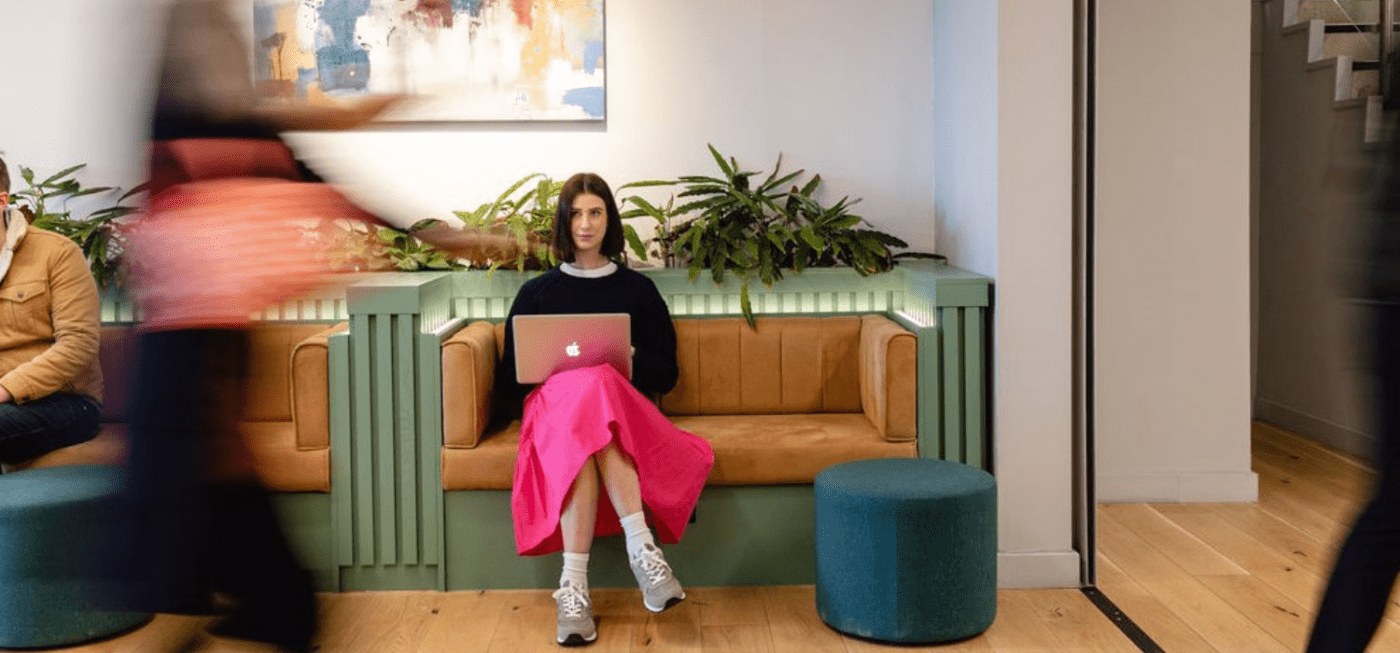
A good flexible workspace should fit around your working patterns. Hybrid teams may need bookable meeting rooms and communal areas. Small businesses may prefer shared offices or a private office with room to scale. Freelancers and entrepreneurs may want hot desks and networking opportunities without the commitment of a full office.
Once you understand how your team works, it becomes easier to choose a space that supports the everyday rhythm of your business.
Choose a Location That Works Harder
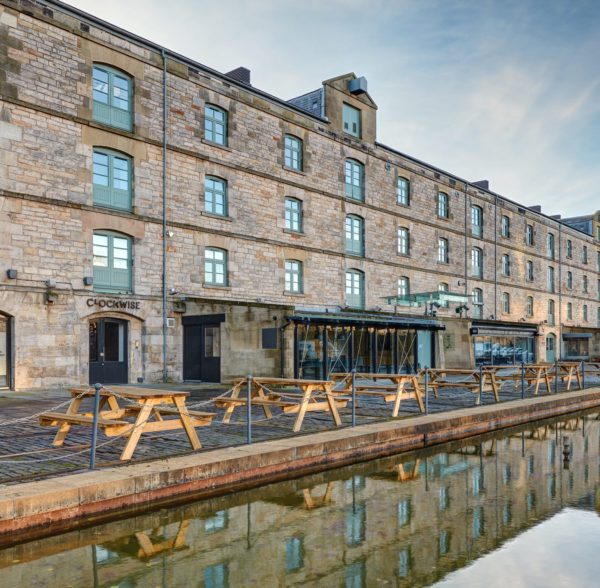
Location is one of the biggest factors when choosing flexible office space. The right address can make the working day easier for your team, more convenient for clients, and more appealing to new talent. Look at how easy the space is to reach by public transport, car, bike, or on foot. Consider nearby parking, stations, bus routes, and major roads. Cafés, restaurants, shops, gyms, hotels, and green spaces can all make a location more comfortable.
For businesses that host clients, partners, or interviews, location also shapes first impressions. A professional, well-placed workspace can help your business feel more established without the cost or commitment of a traditional office lease.
Explore Clockwise locations to find a workspace that fits your team’s routine
Look Closely at What’s Included
Not all office spaces include the same amenities, so check exactly what comes with your membership or office agreement. At a minimum, you will need reliable high-speed internet, comfortable work areas, and access to meeting rooms. Depending on your business, you may also need printing, private call areas, or secure storage. You may need a kitchen, showers, bike storage, event space, or on-site support.
This is where flexible spaces can offer real value. Many workspaces include utilities, cleaning, business rates, maintenance, furniture, and fit-out in one monthly fee. You do not need to manage these costs separately. Before you choose a space, ask what it includes, what costs extra, and whether the pricing seems clear.
Meetings, Focus, and Collaboration
A strong workspace supports different types of work. Some days call for quiet concentration. Others need team catch-ups, client presentations, video calls, workshops, or training sessions. Private offices are useful for teams that need a dedicated base. Coworking spaces and lounges offer a more open, social setting. Meeting rooms are essential for presentations, interviews, workshops, and client conversations. Phone booths or quiet areas make calls and focused work easier.
The best flexible spaces make it easy to shift between focus, collaboration, and connection without leaving the building.
Design, Community, and Culture
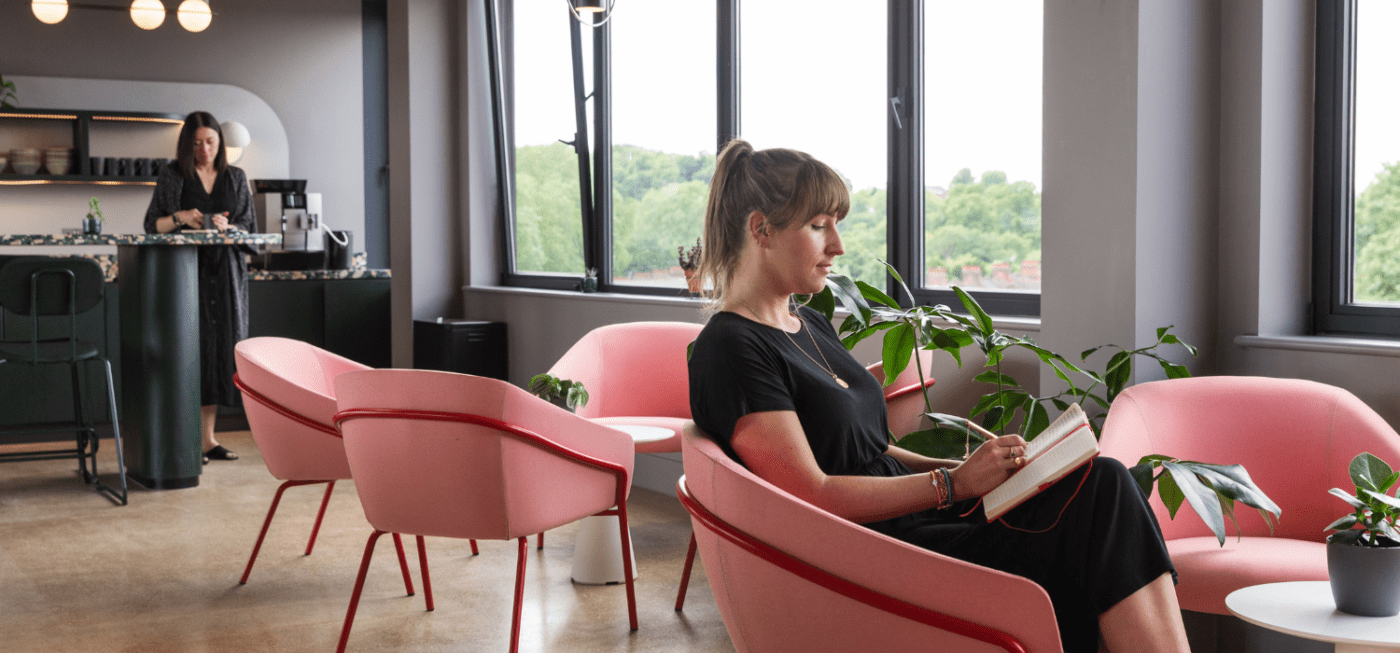
Design is not just about how a workspace looks. Natural light, comfortable furniture, good acoustics, thoughtful layouts, and inviting shared spaces can all make the working day better. Atmosphere matters too. When you visit a space, pay attention to how it feels. Can you picture your team working there, meeting clients there, or using the space often?
A strong workspace community can also make a difference. Member events, shared lounges, networking opportunities, and on-site support can help people feel connected and culture that feels natural.
Use Our Flexible Office Space Checklist
With so many options available, it helps to compare workspaces against the same questions.
Before choosing a flexible office space, ask:
- Is the location convenient for your team and clients?
- Is it close to public transport, parking, food, drink, and local amenities?
- Does the space support how your team works day to day?
- Are there options for private offices, coworking, hot desks, shared offices, or meeting rooms?
- Can the space scale up or down as your business changes?
- Are the contract or term leases flexible enough?
- Are there short-term options if you do not want a long-term lease?
- Is the pricing clear and easy to understand?
- Are Wi-Fi, utilities, cleaning, furniture, and maintenance included?
- Are meeting rooms, communal areas, and shared amenities available when needed?
- Are there networking opportunities, events, or a wider community?
- Does the workspace feel like somewhere your team would want to spend time?
The right flexible office space should give your team what they need, remove unnecessary admin, and offer a professional setting that can grow with your business.
Finding the Right Fit
Whatever stage your business is at, the right flexible workspace should help your organisation feel supported, connected, and ready for what comes next.
At Clockwise, our workspaces are designed to make working life easier, with flexible memberships, private offices, hot desks, meeting rooms, thoughtfully designed shared spaces, and simple contracts that can move with your business.
Book a day pass at your nearest Clockwise and access flexible spaces built to help you stay focused, connected, and productive.
What is flexible office space?
Flexible office space gives businesses more choice and less long-term commitment than a traditional office lease. It can include private offices, coworking spaces, hot desks, dedicated desks, meeting rooms, and memberships that allow teams to use space in a way that suits them.
What should I look for in a flexible office space?
Look for a convenient location, clear pricing, high-speed internet, meeting rooms, flexible contracts, useful amenities, good design, and the ability to scale as your business changes. The right space should support the way your team works day to day.
Is flexible office space better than a traditional lease?
Flexible office space can be a better option for businesses that want less commitment, lower upfront costs, and more room to adapt. A traditional lease may suit companies with fixed long-term office needs, while flexible workspace can work well for growing teams, hybrid businesses, startups, and companies that want a simpler setup.
What does a flexible office usually include?
This varies by provider, but flexible offices often include furniture, Wi-Fi, utilities, cleaning, maintenance, kitchen facilities, communal areas, shared amenities, on-site support, and access to meeting rooms. Always check what is included in the monthly fee and what may cost extra.
Choosing the right location for your office
6y ago
Having the right premises is essential for any business, but it can be increasingly complicated to find the right fit.

Calculate the cost of flexible office space in the UK
5y ago
If you’re on the hunt for a new workspace, here’s a time-saving way to add up the costs.